
DESTINATION GUIDES — RIVIERA MAYA
Bacalar vs Tulum — Which Should You Visit in 2026?
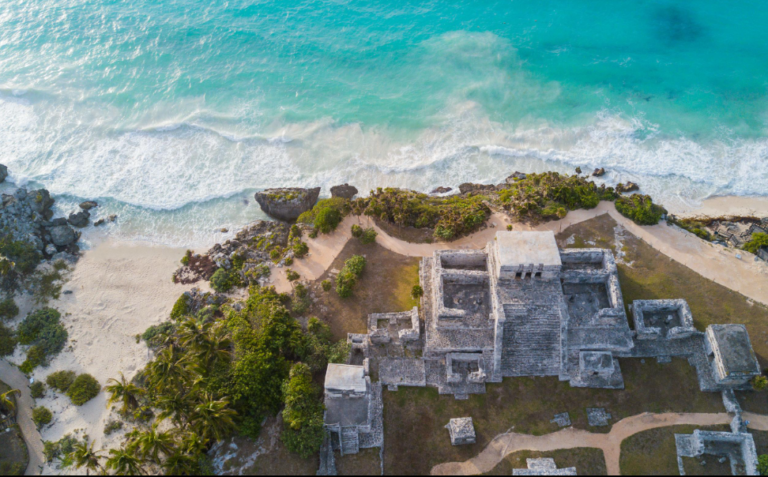
Two extraordinary destinations. Completely different experiences. The honest comparison for travellers who cannot do both — and advice on what happens when you can.
The Most Common Question on the Riviera Maya
Every year, thousands of travellers planning a Riviera Maya trip hit the same decision point: Tulum or Bacalar? Both are in the top tier of what the Mexican Caribbean coast has to offer. Both attract a similar type of traveller — independent, experience-focused, done with all-inclusive resorts. Both have extraordinary water and strong food scenes. And both have been written about extensively enough that the Instagram version of each place bears only passing resemblance to the actual experience.
The comparison matters because they are genuinely different — not just in character but in what kind of trip they produce. Tulum is a Caribbean beach destination with Mayan ruins, cenotes, a famous bohemian strip, and one of the most internationally recognised design and food scenes in Latin America. Bacalar is a 42-kilometre freshwater lagoon in the southern Yucatán jungle, a quiet Mexican town on its western bank, and an experience defined almost entirely by one extraordinary body of water. Choosing between them is not a matter of which is better — it is a matter of which is right for the trip you are actually planning.
The Quick Verdict
Before the full comparison — the answer for travellers who want to make the decision now and read the detail later.
CHOOSE TULUM IF:
✅ A Caribbean beach is non-negotiable for your trip
✅ You want to swim in cenotes within cycling distance of your hotel
✅ Mayan ruins are on your list
✅ You want a restaurant and nightlife scene
✅ You are interested in the design, wellness, and creative culture that Tulum has developed
✅ You are travelling for 4 to 7 days and want everything within reach
✅ You want to combine a beach destination with cultural and natural experiences in one place
✅ You are a first-time visitor to the Riviera Maya
❌ Avoid Tulum if your budget is tight and you plan to spend most of your time on the beach road — the beach road is the most expensive strip on the Riviera Maya
❌ Avoid Tulum if you want true quiet and minimal tourist infrastructure
CHOOSE BACALAR IF:
✅ The most beautiful freshwater lagoon in the Americas is enough of a reason to travel
✅ You want a genuine Mexican town that is still primarily Mexican in character
✅ Lower cost of living is important — Bacalar is significantly cheaper than Tulum
✅ You want peace, slow travel, and a destination without a tourist strip or beach club scene
✅ You are on an extended trip (10+ days) and want a quieter final destination after the more developed Riviera Maya
✅ Sailing, kayaking, and lagoon swimming appeal more than open-ocean swimming and beach clubs
✅ You have already done Tulum and want something completely different
❌ Avoid Bacalar if you need reliable high-speed internet for remote work
❌ Avoid Bacalar if medical proximity matters — the nearest full hospital is 40km south in Chetumal
❌ Avoid Bacalar if you want a Caribbean beach — the lagoon is extraordinary but it is not the sea
Tulum vs Bacalar — Category by Category
Eight categories that matter most to the kind of traveller choosing between these two destinations.
🌊 The Water — Caribbean Sea vs Freshwater Lagoon
TULUM:
The Caribbean Sea. White sand beaches. Turquoise salt water. Waves — gentle, but present. The colour of the water off the Tulum beach road is extraordinary — a deep turquoise that the camera never fully captures. Access is through the beach clubs (minimum spend applies, usually $20–40 USD redeemable on food and drinks) or from the public beach at the northern end of the road, which is free but basic.
The sea off Tulum can have sargassum (brown seaweed) deposits from April to October — intensity varies significantly year to year. When sargassum is heavy, the beach experience suffers. When the sea is clear, it is world-class.
BACALAR:
The Laguna de Bacalar. Freshwater. No waves. No tides. No sargassum. The water shifts through seven distinct shades — turquoise in the shallows, jade in the mid-depth, deep indigo in the channels that drop to 90 metres. The public dock (muelle) in the centre of town provides free access to some of the clearest water on the coast.
There is no beach at Bacalar in the conventional sense — the lagoon edge is concrete dock, wooden pier, or hotel garden. What there is instead is the experience of swimming in 30-metre-deep water that you can see through completely, with the jungle rising on the far bank two kilometres away.
VERDICT: Two completely different water experiences. For ocean swimming and beach culture, Tulum wins. For the single most visually extraordinary body of water in Mexico, Bacalar wins.
🏛️ Culture & History — Ruins, Mayan Heritage & Town Life
TULUM:
The Tulum Archaeological Zone is one of the most dramatically positioned Mayan ruin sites in the world — a walled city on a limestone cliff directly above the Caribbean, with the main pyramid (El Castillo) framed against the turquoise sea. The ruins are genuinely impressive and the combination of coastal location and Mayan architecture is unique.
Tulum also has Cobá ruins an hour away (the tallest climbable pyramid in the Yucatán), Gran Cenote and a network of other cenotes within cycling distance, and the Sian Ka’an Biosphere Reserve at its southern edge. The cultural density within easy reach of Tulum is unmatched on the Riviera Maya.
BACALAR:
Fuerte de San Felipe — a 17th-century Spanish fort on the lagoon edge — is Bacalar’s primary historical landmark. The fort’s museum covers the lagoon’s colonial history, the British pirate raids, and the Caste War of the Yucatán (a mid-19th century Maya uprising that began in this region). The fort is genuinely interesting and undervisited.
Bacalar is also culturally significant as a predominantly Yucatecan town that has maintained much of its local character despite growing international interest. The Saturday market, the evening plaza life, and the food traditions are more genuinely local than anything you find in Tulum town, let alone the beach road.
VERDICT: Tulum wins on the density and scale of cultural and historical experiences. Bacalar wins on authentic town character and living Yucatecan culture.
🍽️ Food — Where Do You Eat Better?
TULUM:
The most ambitious food scene on the Riviera Maya. Hartwood — wood-fire only, no electricity, global reputation — pioneered what became known as the “Tulum restaurant” aesthetic: jungle setting, local ingredients, open fire, reservation months in advance. Arca, La Eufemia, and several other beach road restaurants operate at a genuinely high level.
Tulum Pueblo is the other side — outstanding local tacos, ceviche tostadas, and cochinita pibil at a tenth of the beach road prices. The gap between Pueblo eating and beach road eating — in both quality direction and price direction — is the most extreme of any destination on the Riviera Maya.
BACALAR:
Smaller scene, less international, but genuinely good. The best meal in Bacalar is the simplest: a whole grilled freshwater fish (mojarra) from the lagoon, with rice, beans, and handmade tortillas, at a palapa table on the water for $10–15 USD. Akalki and Cacao Bacalar have developed creative menus using local and foraged ingredients that have begun to attract food-focused visitors. The Saturday market cochinita pibil is among the finest in the region.
The coffee scene is a genuine surprise — Ay Wey Café and El Tostador both serve single-origin Mexican coffee at a level of quality unexpected for a town of this size.
VERDICT: Tulum wins on range, ambition, and international dining quality. Bacalar wins on value, authenticity, and the specific experience of eating a freshwater fish caught that morning at a table over a turquoise lagoon.
🏨 Accommodation — Where Do You Sleep Better?
TULUM:
The most distinctive accommodation on the Riviera Maya is on the Tulum beach road — individual palapa-style boutique hotels with no concrete towers, no chain brands, and a design aesthetic that has influenced boutique hospitality globally. Azulik (tree-level villas with no electricity), Nomade (wellness and ceremony), and Papaya Playa Project (music, community, beach) are internationally known properties.
Tulum Pueblo offers the budget alternative — hostels, guesthouses, and apartments at a fraction of beach road prices, 10 minutes by bicycle from the water.
BACALAR:
The entire accommodation offer in Bacalar is on or near the lagoon edge. No beach road, no resort zone, no hotel strip — just a collection of independent boutique properties, wooden dock-houses, and casitas built directly on the water. Cacao Bacalar (the finest property in town), Concentra, and Akalki all deliver lagoon-edge luxury at prices below Tulum’s equivalent tier.
Budget accommodation is limited and books fast in high season — Hostel El Muelle has a lagoon dock that rivals properties at three times the price.
TULUM PRICING (approximate):
– Budget (Pueblo hostel dorm): $20–30/night
– Mid-range (beach road boutique): $150–250/night
– Luxury (Azulik, Nomade): $400–700+/night
BACALAR PRICING (approximate):
– Budget (hostel with lagoon dock): $15–25/night
– Mid-range (lagoon-edge casita): $100–180/night
– Luxury (Cacao Bacalar, Concentra): $350–500/night
VERDICT: Tulum wins on range and design distinctiveness. Bacalar wins on value at every tier — the mid-range lagoon experience in Bacalar genuinely competes with Tulum luxury at half the price.
🚌 Getting There — Which Is Easier to Reach?
TULUM:
130km south of Cancún Airport — approximately 2 hours by ADO bus (~$8 USD), the Maya Train (~$10 USD, ~1.5 hours), or private transfer (~$80–100 USD). Well-served by multiple daily ADO connections from Cancún, Playa del Carmen, and the airport directly. The easiest destination on this list to reach independently.
From Cancún Airport: ADO direct, Maya Train direct, or private transfer
From Playa del Carmen: ADO ~45min, ~$4 USD
From Bacalar: ADO ~2hrs, ~$8 USD
BACALAR:
320km south of Cancún Airport — approximately 4 hours by ADO bus (~$16–18 USD) or private transfer (~$150–180 USD). Fewer daily connections than Tulum — 4 to 5 ADO departures per day from Cancún. No Maya Train connection currently.
Note: The Bacalar ADO stop is on the highway, 1–2km from the lagoon and town centre. A local taxi from the stop to your hotel is ~$3–5 USD.
From Cancún Airport: ADO direct, approximately 4 hours
From Tulum: ADO ~2hrs, ~$8 USD
From Playa del Carmen: ADO ~3.5hrs, ~$14 USD
VERDICT: Tulum wins decisively on accessibility. Bacalar’s distance from Cancún Airport is one of its greatest assets (it keeps the crowds thin) and its greatest logistical challenge. Factor the 4-hour journey into your itinerary planning.
💰 Cost — Which Is More Expensive?
TULUM:
The most expensive destination on the Riviera Maya for day-to-day spending if you are living on the beach road. Beach club minimum spends ($20–60 USD per person per visit), beach road restaurant prices ($15–40 per main course), boutique hotel rates ($150–700+/night), and tour operator prices make Tulum expensive in the way that internationally fashionable destinations tend to be.
Tulum Pueblo is the affordable version of Tulum — hostels from $20/night, tacos from $1, local restaurants at $5–10 per meal. The traveller who stays in Pueblo and cycles to the beach spends dramatically less than the beach road visitor at no meaningful loss of experience.
BACALAR:
Significantly cheaper than Tulum at every level — accommodation, food, activities, and the absence of beach clubs with minimum spends. The primary lagoon activities (swimming from the public dock, kayaking, hammock bars) cost almost nothing. A full day on the lagoon from a mid-range hotel costs less than a single beach club minimum spend in Tulum.
ROUGH DAILY BUDGET COMPARISON (mid-range):
TULUM (beach road lifestyle):
– Accommodation: $150–250
– Food: $40–80
– Activities/transport: $20–50
– Daily total: $210–380 per person
TULUM (Pueblo lifestyle):
– Accommodation: $25–80
– Food: $15–30
– Activities/transport: $15–30
– Daily total: $55–140 per person
BACALAR:
– Accommodation: $80–180
– Food: $15–35
– Activities/transport: $10–30
– Daily total: $105–245 per person
VERDICT: Bacalar wins on overall value. The Bacalar mid-range experience is comparable to or better than Tulum’s mid-range at consistently lower prices.
🎭 Vibe & Scene — Party Town vs Quiet Lagoon
TULUM:
Tulum has a scene. It has been written about extensively in every major international travel, design, and lifestyle publication for a decade. It attracts a specific international creative, wellness, and fashion crowd that has shaped its restaurant aesthetic, its hotel design, its beach club music programming, and its social identity. This scene is simultaneously Tulum’s greatest asset and its most frequently criticised characteristic.
The beach road operates on a specific frequency — morning yoga, afternoon beach club, sunset mezcal, late dinner, occasional DJ. The music at beach clubs is electronic and consistent. The dress code is whatever the internationally recognised Tulum aesthetic dictates that season. If this frequency matches yours, Tulum is one of the best places on earth to be. If it does not, you will feel like an outsider in an environment that has been carefully curated to appeal to someone whose priorities are slightly different from yours.
Tulum town operates on a completely different frequency — local, affordable, Mexican, and largely indifferent to the beach road scene it coexists with.
BACALAR:
No scene. No beach clubs. No DJ sets. No dress code. No international lifestyle brand identity. What Bacalar has instead is a growing community of early-adopter international visitors who chose it specifically because it does not have any of these things — and a local Mexican town population that has been living on this lagoon for generations and has its own social life that is entirely separate from the tourist economy.
The vibe of Bacalar is: slow, quiet, beautiful, local, and genuinely relaxing in a way that Tulum can be — but only if you find the right corner of it.
VERDICT: Tulum wins if you want a scene, a social environment, and a destination that operates with international cultural currency. Bacalar wins if you want to step out of that entirely.
🏡 For Buyers & Long-Term Residents — Investment & Expat Life
TULUM — PROPERTY & INVESTMENT:
Tulum is one of the most internationally recognised real estate markets in Latin America. Property values have appreciated significantly over the past decade, driven by international demand for the beach road lifestyle and the destination’s global profile. Pre-construction condo developments targeting international buyers are abundant — and carry the associated risks of off-plan investment.
The rental market for short-term vacation properties on the beach road is strong, with good occupancy rates in the November to April season. Long-term rental yields are lower relative to purchase prices than in earlier years, reflecting the appreciation in property values.
The New Tulum Airport (expected to increase accessibility significantly) and the Maya Train connection are medium-term drivers that some investors cite as upside catalysts.
BACALAR — PROPERTY & INVESTMENT:
Bacalar represents an earlier-stage opportunity — property values have risen significantly from where they were five years ago but remain far below Tulum equivalent prices. The lagoon-edge property that was available for $150,000 USD in 2018 is now $400,000–600,000 USD, and the trajectory has not slowed.
The short-term rental market in Bacalar is smaller but growing rapidly — occupancy in high season is strong for well-positioned lagoon-view properties. The destination’s growing international profile and its distance from the more developed Riviera Maya make it an increasingly interesting option for buyers seeking a lower entry price point than Tulum with similar long-term appreciation potential.
For long-term residents: Bacalar is significantly cheaper to live in and maintains a more authentic Mexican character — but requires greater self-sufficiency (limited professional services, limited healthcare, no Uber, no major supermarket).
VERDICT: Tulum wins on established market depth, liquidity, and rental demand. Bacalar wins on entry price point, growth potential, and quality of daily life for residents who want something quieter and more genuinely local.
The Real Difference — The Water
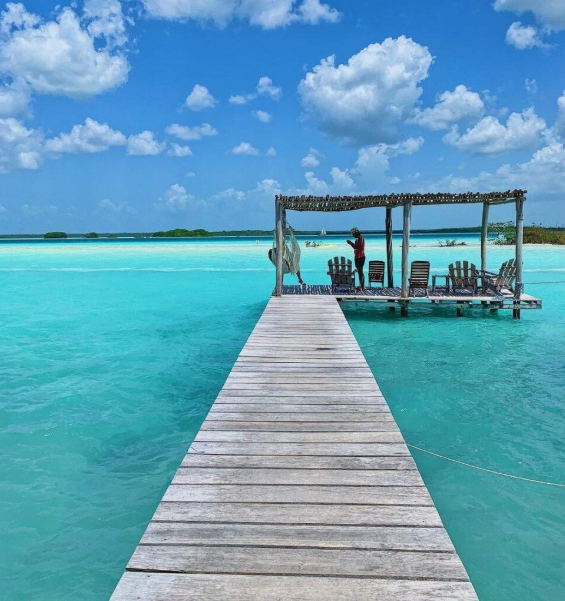
Every other difference between Tulum and Bacalar — the scene, the cost, the food, the accommodation — is a matter of degree or preference. The water is a matter of category.
Tulum is on the Caribbean Sea. Salt water. The Mesoamerican Barrier Reef runs just offshore. The water is turquoise and extraordinary and you swim in it from a beach or a beach club. From April to October, sargassum seaweed can affect the Tulum shoreline — some years lightly, some years significantly. The cenotes provide the clearest swimming of any ocean-adjacent destination on the coast — underground freshwater a short bicycle ride from the beach road.
Bacalar is on a freshwater lagoon. A 42-kilometre inland body of water, fed by underground cenote systems, filtered through limestone, with no waves, no tides, no current, no sargassum, and no sea. The Laguna de Bacalar is described as having seven colours because it genuinely does — the water moves from pale turquoise over the sandy shallows near town to jade at mid-depth to deep indigo in the channels that drop to 90 metres. You swim in it from a dock, a pier, or a hotel platform. You kayak across it to the far jungle bank. You sail on it in the afternoon wind. You float in a hammock over it as the sun goes down.
Neither is better than the other. They are different experiences. The question is which kind of water you are actually there for.
If the answer is “I want to swim in the Caribbean” — go to Tulum.
If the answer is “I want to swim in the most beautiful lake in Mexico” — go to Bacalar.
If the answer is “I want both” — you need at least 10 days and a southward itinerary that includes both.
The Honest Cost Comparison
Both destinations span a wide range of budgets — but the baseline cost of a comfortable mid-range trip is meaningfully different. Here is what you will actually spend.
TULUM — WHAT IT COSTS
BEACH ROAD LIFESTYLE:
Boutique hotel: $150–350/night
Beach club minimum spend: $20–60/person/visit
Beach road dinner for two: $60–120
Cenote entry: $15–25 each
Tulum ruins entry: $8
Gran Cenote: $20
Sian Ka’an tour: $80–100/person
Golf cart rental (Tulum beach road): $40–60/day
Daily total (comfortable mid-range): $200–350/person
PUEBLO LIFESTYLE:
Hostel private room or budget hotel: $40–80/night
Local tacos (3 tacos): $3
Comedor lunch: $5–8
Public bicycle: $7/day
Daily total (budget): $60–100/person
THE TULUM TRAP:
The gap between the Pueblo experience and the beach road experience in Tulum is the widest of any destination on the Riviera Maya. Travellers who stay in Pueblo and cycle to the beach spend a fraction of beach road visitors — for the same water and the same ruins. The beach road premium is real and entirely optional.
BACALAR — WHAT IT COSTS
MID-RANGE LAGOON LIFESTYLE:
Lagoon-edge boutique hotel: $100–200/night
Public dock swimming: FREE
Kayak rental (half day): $15–20
Sailing/lagoon boat tour: $30–60/person
Local restaurant dinner for two: $20–40
Hammock bar afternoon: $10–20 (drinks)
Fort San Felipe entry: $3
Daily total (comfortable mid-range): $130–220/person
BUDGET LIFESTYLE:
Hostel with lagoon dock: $15–25/night
Local cochinita pibil tacos (3): $3
Comedor lunch: $4–7
Bicycle rental: $5/day
Daily total (budget): $45–75/person
THE BACALAR ADVANTAGE:
The primary lagoon experiences in Bacalar — swimming from the public dock, watching sunsets from the malecón hammock bars, exploring the lagoon by kayak — cost almost nothing. There are no beach clubs with minimum spends, no cover charges, and no tourist infrastructure designed to extract money between you and the water. The experience is free or nearly free. The cost is in accommodation — and even that is cheaper than Tulum equivalent.
The Real Verdict — Who Each Destination Is For
Beyond the category-by-category comparison — these are the traveller profiles that each destination actually suits.
TULUM IS FOR:
The first-time Riviera Maya visitor who wants to see the full range of what the coast offers — ruins, cenotes, beach, food scene, and culture — within one destination and one trip.
The traveller who values design, aesthetics, and the cultural identity that Tulum has developed — and who finds that the beach road’s considered, international, wellness-oriented atmosphere matches their own.
The couple who wants a mix of beach days, cultural experiences (ruins, cenotes), and genuinely excellent dinners — and who can afford the beach road accommodation that makes that combination work most easily.
The solo traveller who wants a social environment — the hostel scene in Pueblo, the tour group connections at cenotes and ruins, the beach club culture on the road, and the Tulum wellness and yoga community all provide natural social access points.
The traveller with limited time (4 to 6 days) who wants maximum cultural and natural density per day.
The digital nomad who needs reliable WiFi and co-working access — Tulum Pueblo is improving, and the town has a large established remote-work community.
NOT for: travellers who want authentic Mexican culture without tourist infrastructure overlay, or travellers on tight budgets who plan to spend most of their time on the beach road.
BACALAR IS FOR:
The return visitor to the Riviera Maya who has done Tulum, Playa, and Cancún and is looking for something the itinerary has not yet provided — specifically: quiet, local character, and extraordinary nature without the tourist overlay.
The traveller who finds the Tulum beach road scene exhausting or alienating — and who wants a destination where the primary social infrastructure is a fishing dock, a hammock over a turquoise lagoon, and a local restaurant that has been open since 7am and closes when the food runs out.
The couple who wants to decompress completely — Bacalar is one of the finest destinations in Latin America for slow travel, doing very little, and doing it with extraordinary scenery.
The budget-conscious traveller who wants a genuinely premium natural experience at a fraction of Tulum beach road prices — the lagoon is one of the most beautiful places in Mexico and swimming in it from the public dock is free.
The nature-focused traveller for whom the lagoon ecosystem — the stromatolites, the colour gradients, the freshwater cave systems at Cocalitos — is the point of the trip.
The potential buyer or long-term relocator who wants to understand the Riviera Maya’s most promising emerging destination before it becomes as developed as Tulum.
NOT for: travellers who need reliable medical infrastructure nearby, consistent remote work internet, or a beach.
Interested in Property in Either Destination?
Both Tulum and Bacalar represent compelling opportunities in the Riviera Maya property market — at different price points, different risk profiles, and different lifestyle returns. Our team can help you understand the options in either destination.
Can You Do Both? Yes — Here Is How
The best answer to the Bacalar vs Tulum question is not a choice — it is a 10-day itinerary that includes both. They are 2.5 hours apart by ADO bus and represent the ideal combination of a trip that moves from the more developed northern Riviera Maya toward the quieter, more authentic south.
The conventional order is Tulum first, Bacalar last — because arriving in Tulum after Bacalar can feel like the wrong direction. Bacalar rewards being the destination you end your trip at, not the one you pass through to get somewhere else.
A 7-day route that includes both without rushing either:
🗓️ Day 1–2 — Playa del Carmen (base, cenote day trip, Cozumel ferry)
🗓️ Day 3–4 — Tulum (ruins, Gran Cenote, beach road, Sian Ka’an)
🗓️ Day 5 — Travel day: Tulum → Bacalar (2.5hrs ADO, afternoon lagoon arrival)
🗓️ Day 6 — Full day Bacalar (morning kayak, lagoon tour, sunset hammock bars)
🗓️ Day 7 — Bacalar morning + travel to Cancún Airport (4hrs ADO, allow full day)
This route works best when flying in and out of Cancún. The ADO bus handles every connection without a rental car. The total bus cost for the entire route is under $35 USD per person.
If you have 10 days, add 2 nights in Cancún at the start (Hotel Zone beach day, day trip to Chichén Itzá or Holbox) and an extra night in Tulum. That is the full Riviera Maya experience — north to south, expensive to quiet, sea to lagoon.
Bacalar vs Tulum — Common Questions
Is Bacalar or Tulum better for first-time visitors to Mexico?
Tulum for a first visit — it has more within easy reach (ruins, cenotes, beach, food scene) and better-developed tourist infrastructure that makes a first Mexico trip easier to navigate. Bacalar is the better second-visit destination — it rewards travellers who already understand the regional context and are looking for something the Tulum experience does not provide. That said, if the Laguna de Bacalar is specifically why you are going to Mexico, there is no reason to delay it for a second visit.
Which is better for a romantic trip — Bacalar or Tulum?
Both are excellent but deliver different romantic experiences. Tulum offers the most design-forward couple's accommodation in the Riviera Maya — Azulik's tree-level villas, Nomade's ceremony and yoga at sunrise, Papaya Playa's full moon parties. Bacalar offers something quieter: a private dock over a turquoise lagoon, breakfast by canoe delivery at Cacao Bacalar, and sunsets on the water with no sound system and no crowd. If you want the dramatic and aesthetic, Tulum. If you want the peaceful and extraordinary, Bacalar.
Is there swimming in Bacalar? I thought it was a lake.
Yes — and the swimming is extraordinary. The Laguna de Bacalar is a 42km freshwater lagoon with visibility up to 30 metres in the deeper channels. You swim from the public dock in the town centre (free, open all day), from your hotel's private pier, or from the shallow sandbar at Banco Chilero in the middle of the lagoon (accessible by kayak or boat tour). The water is warm year-round, crystal clear, and safe. There are no currents in the main swimming areas. The only rule: use reef-safe, biodegradable sunscreen and insect repellent in the water — chemical products are prohibited and damage the lagoon ecosystem.
Is Bacalar safe for tourists?
Yes — Bacalar is considered one of the safest destinations in Quintana Roo for tourists. The town is small, community-oriented, and has no significant tourist crime issues. Standard travel common sense applies. The primary practical safety consideration is medical infrastructure — facilities in Bacalar are limited and the nearest full hospital is in Chetumal, 40km south. Ensure your travel insurance covers medical transport before arriving, and this concern is fully managed.
Can I do Bacalar and Tulum in 5 days?
Technically yes — but not comfortably. The journey between them (2.5 hours each way by ADO) consumes significant time relative to a 5-day trip. A 5-day itinerary would give you 2 nights in Tulum, 1 transit day, and 2 nights in Bacalar — which is enough to experience both but not enough to slow down in either. If 5 days is your total, choose one and do it properly. Tulum is the better 5-day destination because everything is within closer reach of each other. Return for Bacalar when you can give it the time it deserves.
Keep Planning Your Trip
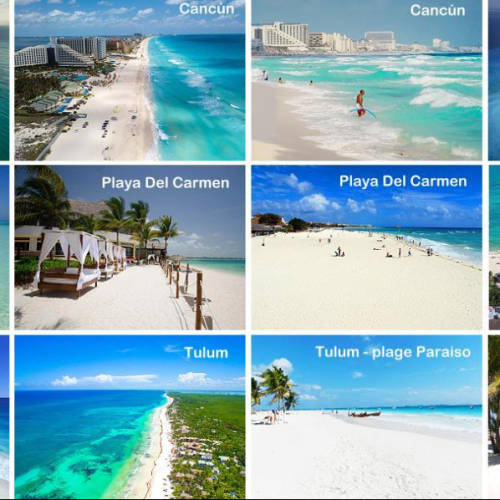
The Perfect 10-Day Riviera Maya Itinerary
Cancún to Bacalar — the complete route covering both Tulum and Bacalar plus Holbox, Playa del Carmen, and the best cenotes on the coast.
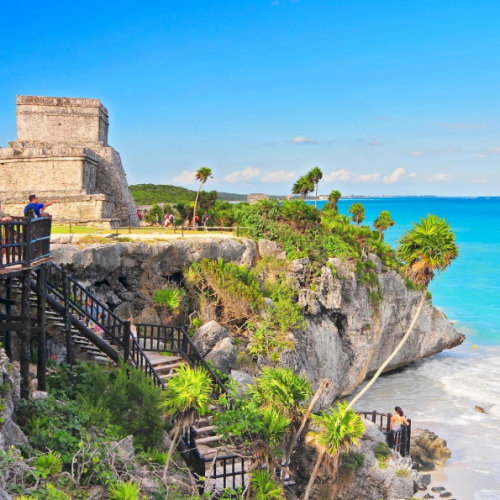
Tulum Complete Destination Guide
The honest guide to Tulum — ruins, cenotes, the beach road, where to eat in Pueblo, and the difference between the Instagram version and the real one.
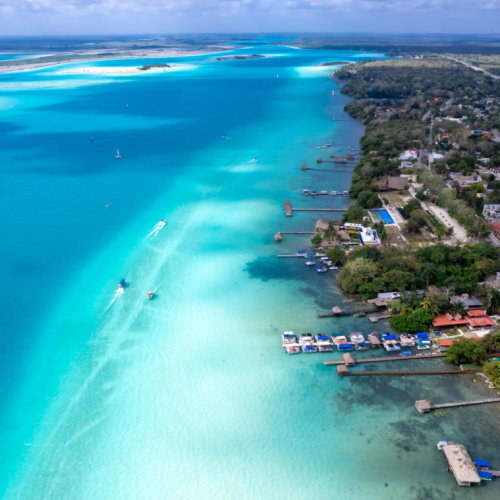
Bacalar Complete Destination Guide
Everything you need to know about the Lagoon of Seven Colors — where to stay, what to do, how to get there, and why most people who visit stay longer than planned.
Get the Riviera Maya in Your Inbox
Weekly travel guides, property insights, and insider tips from Mexico’s Caribbean coast — delivered every week. No spam. Unsubscribe anytime.