
QUINTANA ROO, MEXICO
Cancun
Sun-soaked, electric, and impossible to ignore — Cancún is the Riviera Maya’s beating heart. World-class beaches, ancient Mayan ruins, legendary nightlife, and the gateway to everything Mexico’s Caribbean coast has to offer.
Best Time: Dec–Apr
Airport: CUN
Currency: MXN Peso
Caribbean Sea
The Riviera Maya Starts Here
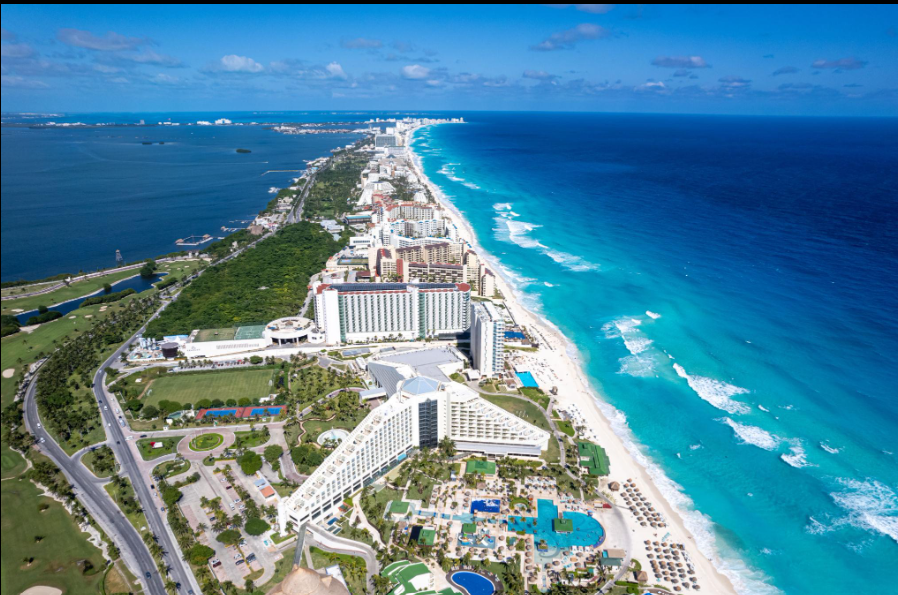
Cancún gets a bad reputation in some travel circles — too touristy, too loud, too much. Those people haven’t scratched the surface.
Yes, the Hotel Zone is a 14-mile strip of resorts facing some of the most beautiful water in the Americas. Yes, the nightlife is legendary. Yes, spring break is real. But Cancún is also the jumping-off point for cenote swimming, Mayan ruins, whale shark encounters, and the quieter, more authentic corners of the Yucatán that most tourists never find.
The Cancún that Instagram shows you and the Cancún that actually exists are two very different places — and both are worth knowing. The Hotel Zone beachfront is genuinely stunning. Downtown Cancún, ten minutes by public bus, has some of the best Yucatecan street food in Mexico at $0.50 a taco. And the natural environment surrounding the city — the cenotes, the reef, the lagoon — is extraordinary.
Whether you’re here for five days of pure beach relaxation, an adventurous week of jungle and ruins, or using Cancún as your base to explore the wider Riviera Maya — this guide covers everything you need to do it properly.
Top Things to Do in Cancún
From world-famous beaches to hidden cenotes and ancient ruins — Cancún rewards every type of traveller willing to look beyond the Hotel Zone strip.
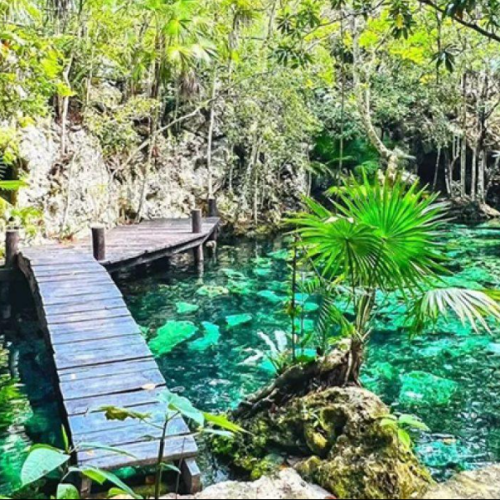
Swim in a Cenote
The Yucatán Peninsula sits above the world’s largest underground river system. Cenote Dos Ojos, Ik Kil, and Gran Cenote are all within 90 minutes of Cancún — crystal-clear, cave-cooled, and completely otherworldly. The contrast between the Hotel Zone and a silent underground river surrounded by stalactites is one of the most disorienting and magical experiences in Mexico. Entry ~$15–20 USD per cenote.
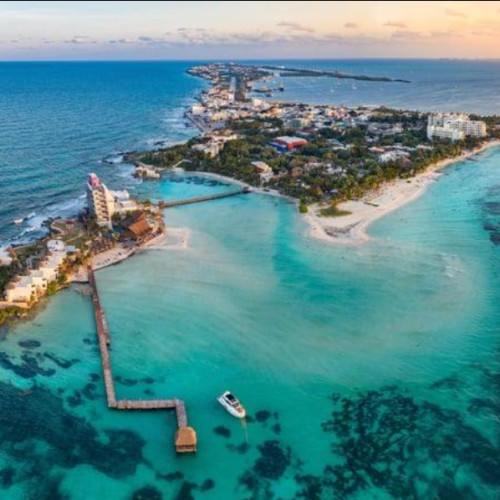
Visit Isla Mujeres
A 20-minute ferry from Puerto Juárez brings you to a tiny car-free island with the clearest water in the region, an excellent coral reef, and a completely different pace of life to the Hotel Zone. Walk the entire island in an hour. Eat grilled fish on the beach at Playa Norte — consistently ranked one of the world’s best beaches. Ferry ~$8 USD return.
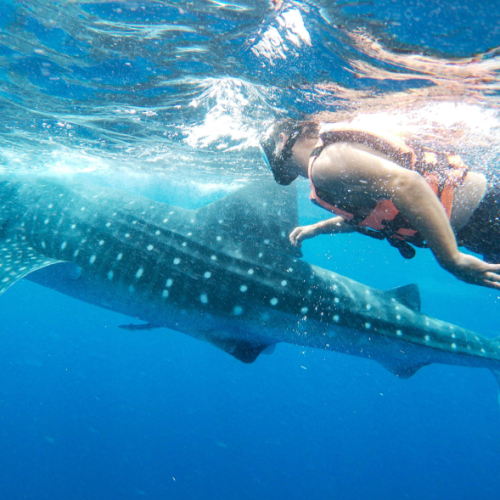
Swim with Whale Sharks
From June to September, the waters north of Cancún host the world’s largest whale shark aggregation. Licensed tour operators run day trips from the Hotel Zone — snorkelling alongside whale sharks up to 12 metres long in open water. One of the greatest wildlife experiences on earth. Tours from ~$80 USD per person.
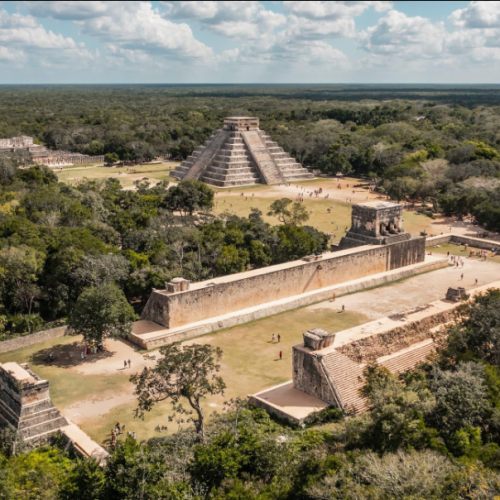
Day Trip to Chichén Itzá
One of the New Seven Wonders of the World is 2.5 hours from Cancún. The scale of El Castillo pyramid, the precision of the astronomical alignments, and the history of the site stop everyone in their tracks. Go early — aim to arrive at opening time (8am), hire a local guide, and allow a full day. Return tours from ~$60 USD. Self-drive gives more flexibility.
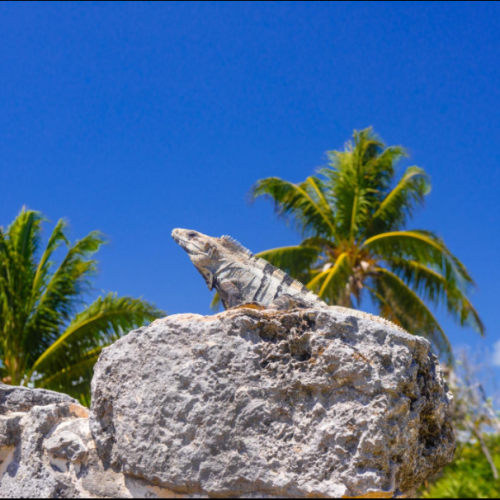
Explore El Rey Ruins
Often completely overlooked — a Mayan ruin site inside the Hotel Zone itself, surrounded by hundreds of wild iguanas. The contrast of wandering through 14th-century stone structures with the resort skyline visible behind them is genuinely surreal. Entry ~$5 USD. Allow 30–60 minutes.
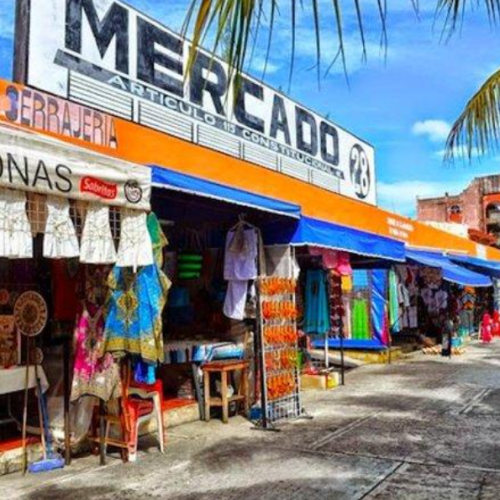
Eat at Mercado 28
The best place in Cancún to eat like a local — Yucatecan cochinita pibil, sopa de lima, panuchos, fresh ceviche, and marquesitas at local prices, away from the inflated menus of the Hotel Zone. Take the public R1 bus downtown — saves $20 in taxi fare and the ride itself is an experience.

Night at Coco Bongo
Cancún’s most famous nightclub is a cabaret-nightclub hybrid — live performances, acrobats, confetti cannons, and open bar until 4am. It is ridiculous, excessive, and genuinely unforgettable. Don’t go expecting a normal nightclub. Go expecting something closer to a circus that turns into a rave at midnight. Cover with open bar: ~$50–80 USD.
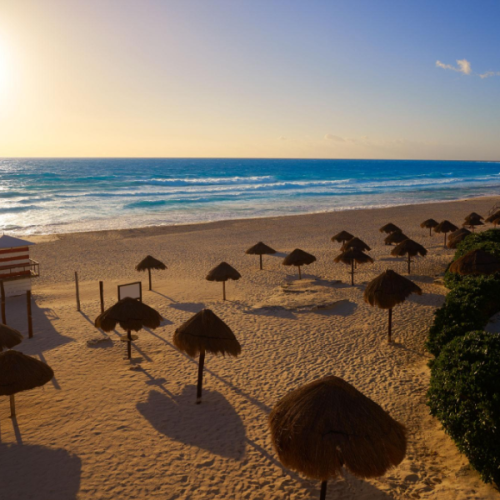
Playa Delfines at Sunrise
The best free beach in Cancún — a wide public beach at the south end of the Hotel Zone with no resort access fees and the most iconic view of the Hotel Zone skyline. Come for sunrise before anyone else arrives. Stay for the first swim of the day in water that colour has no right to be. Free entry, all day.
Cancún's Best Beaches
The Hotel Zone peninsula faces the Caribbean Sea on one side and the Nichupté Lagoon on the other — giving Cancún a unique range of beach conditions. Here are the best beaches for every type of visitor.
Playa Delfines — Best Free Beach
The most iconic beach in Cancún — wide, public, no resort fees, and the most photographed Hotel Zone viewpoint. Best at sunrise before the crowds arrive. Free entry all day.
Playa Norte, Isla Mujeres — Best Overall
A 20-minute ferry from Cancún and consistently ranked one of the top 10 beaches in the world. Extremely shallow, completely calm, impossibly clear turquoise water in every direction.
Playa Langosta — Best for Families
A calm, sheltered beach in the middle of the Hotel Zone with gentle waves, shallow water perfect for children, and easy watersport rentals right on the sand.
Playa Tortugas — Best for Atmosphere
One of the liveliest public beaches in the Hotel Zone — beach bars, volleyball nets, parasailing, and a young energetic crowd from morning until the last sunset drink.
Playa Caracol — Most Convenient
The closest public beach to the Hotel Zone's shopping and entertainment district. Calm water, good facilities, and the most practical location for Hotel Zone visitors who want beach access without walking far.
Where to Stay in Cancún
Cancún has more accommodation options than anywhere else on the Riviera Maya — from backpacker hostels in downtown to overwater suites in the Hotel Zone. Here is how to choose the right option for your trip.
BUDGET ACCOMMODATION IN CANCÚN
Hostel Natura — Downtown Cancún
The best budget option in the city — a well-run hostel in the real downtown area, close to local restaurants, Mercado 28, and the ADO bus terminal. Social atmosphere, clean facilities, and staff with excellent local knowledge about where to eat, what to skip, and how to see Cancún properly on a small budget.
Dorm from ~$18/night | Private room from ~$55/night.
Hotel Xbalamqué — Downtown Cancún
A charming budget hotel with a small pool, good breakfast, and a downtown location that puts you in authentic Cancún at a fraction of Hotel Zone prices. Walking distance to local food markets and the R1 public bus stop for the Hotel Zone beaches.
From ~$55/night.
Ambiance Villas — Hotel Zone
For those who want Hotel Zone access without paying full resort prices — basic but clean rooms, a short walk to the beach, and significantly cheaper than the surrounding all-inclusive properties.
From ~$70/night.
💡 BUDGET STRATEGY:
Stay downtown and take the public R1 or R2 bus to the Hotel Zone beaches ($0.50 each way, runs every 10 minutes from early morning). You access the exact same beaches as hotel guests for a fraction of the cost. This is how smart budget travellers do Cancún.
MID-RANGE ACCOMMODATION IN CANCÚN
Krystal Grand Cancún — Hotel Zone
A solid all-inclusive resort in the heart of the Hotel Zone with good beach access, multiple pools, and a reliable food and drinks program. Not the most exciting property in Cancún but a dependable, well-located choice at this price point. From ~$150/night all-inclusive.
Live Aqua Urban Resort — Hotel Zone
A stylish adults-only property with a rooftop pool, excellent spa, contemporary Mexican design, and a noticeably more sophisticated atmosphere than the typical Hotel Zone all-inclusive. The best mid-range option for couples visiting Cancún.
From ~$200/night.
Hyatt Ziva Cancún — Hotel Zone Tip
Positioned at the very tip of the Hotel Zone peninsula with open Caribbean water on three sides — one of the best locations of any resort in Cancún. Family-friendly, multiple pools, strong food and entertainment program. From ~$220/night all-inclusive.
Wyndham Alltra Cancún — Hotel Zone
A genuinely good all-inclusive with a lively atmosphere, solid entertainment schedule, and a beach position that rivals hotels costing twice as much. The best value all-inclusive in the mid-range price bracket.
From ~$130/night all-inclusive.
💡 MID-RANGE TIP:
Adults-only all-inclusive properties offer significantly better food, service, and atmosphere than family properties in the same price bracket. If you are travelling as a couple, always choose adults-only in Cancún.
LUXURY ACCOMMODATION IN CANCÚN
Nizuc Resort & Spa — Hotel Zone South
Cancún’s most exclusive address — 274 acres of private coastline and jungle at the southern tip of the Hotel Zone peninsula. Individual villa-style accommodation, personal butler service, multiple infinity pools, three restaurants, and a spa that ranks among the finest in Mexico.
From ~$600/night.
Le Blanc Spa Resort — Hotel Zone
Adults-only all-inclusive luxury anchored by an exceptional wellness spa. The food quality is genuinely impressive for an all-inclusive operation — multiple restaurants with proper à la carte dining. Impeccable personal service and an outstanding beach position.
From ~$500/night all-inclusive.
Secrets The Vine Cancún — Hotel Zone
A vertically designed luxury resort with a rooftop infinity pool, swim-up suites, and an adults-only atmosphere that feels genuinely premium rather than simply expensive. Better value than Nizuc and Le Blanc while delivering a similarly high level of service.
From ~$350/night.
💡 LUXURY TIP:
In Cancún’s luxury tier, the room category makes a dramatic difference to the experience. Book swim-up rooms, overwater suites, or oceanfront categories rather than standard rooms — the price difference between standard and premium categories is often smaller than you expect.
What to Eat & Drink in Cancún
The Hotel Zone is full of overpriced tourist restaurants serving average food at inflated prices. The real Cancún food scene is downtown, at Mercado 28, at the taco stands near the ADO bus terminal, and in the family-run marisquerías facing the Nichupté Lagoon. Here is what you must try — and where to find the versions that are actually worth eating.
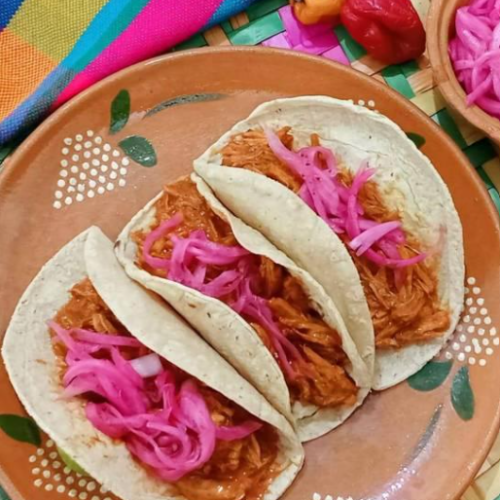
Cochinita Pibil
The defining dish of the Yucatán — pork slow-roasted overnight in a pit, marinated in achiote and bitter orange, served in soft corn tortillas with pickled habanero onions. At its absolute best at Mercado 28 or the taco stands downtown. Each taco ~$0.50. Non-negotiable.
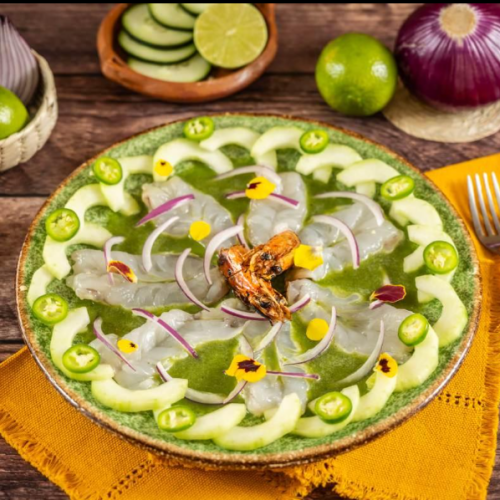
Ceviche & Aguachile
Fresh Caribbean seafood two ways — classic ceviche with lime, tomato, and cilantro, or aguachile where raw shrimp are cured in a fiery green chilli broth. Both excellent at La Fishería in the Hotel Zone or any family marisquería near Mercado 28 at half the price.

Sopa de Lima
A delicate Yucatecan chicken broth with shredded chicken, crispy tortilla strips, tomato, and a squeeze of lima — a local citrus with a uniquely floral bitterness. The soup every Yucatecan family makes on Sundays. Found at any traditional Yucatecan restaurant downtown.
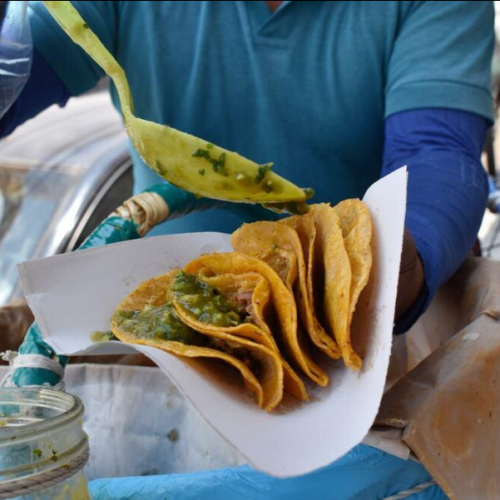
Tacos de Canasta
The working Cancún breakfast — soft corn tortillas filled with potato, bean, or chicharrón (fried pork rind), kept warm in a cloth basket and sold from bicycles in the downtown area from 6am. Each taco ~$0.50. Simple, cheap, and completely delicious.
Marquesita
The unmissable Yucatecan street dessert — a thin, crispy crepe wafer rolled into a cone and filled with grated Edam cheese and Nutella, cajeta (caramel), or strawberry jam. Available from street carts every evening at Parque de las Palapas downtown. Sounds impossible. Tastes extraordinary.


Mezcal & Michelada
Two drinks to understand before leaving Mexico. Mezcal is smoky, complex, and made from agave — nothing like tequila. A michelada is beer in a salt-and-chilli-rimmed glass with lime juice — the definitive Mexican beach drink. Both are best at a downtown mezcalería rather than Hotel Zone bars.
Getting to & Around Cancún
✈️ Flying to Cancún — Airport Guide
Cancún International Airport (CUN) is the second busiest airport in Mexico, handling over 25 million passengers annually across 4 terminals.
DIRECT FLIGHTS TO CANCÚN FROM:
– USA: New York ~3.5hrs | Miami ~2.5hrs | Los Angeles ~4.5hrs | Chicago ~3.5hrs | Atlanta ~2.5hrs | Houston ~2hrs | Dallas ~2hrs
– Canada: Toronto ~4hrs | Montreal ~4.5hrs | Vancouver ~6hrs
– Europe: London ~10hrs | Madrid ~10hrs | Amsterdam ~11hrs | Frankfurt ~11hrs
AIRLINES SERVING CANCÚN:
American, Delta, United, JetBlue, Southwest, Spirit, Air Canada, WestJet, Volaris, Aeromexico, Iberia, Virgin Atlantic, KLM, Condor, TUI
TERMINAL GUIDE:
T2 — Domestic flights: Aeromexico, Volaris, VivaAerobus
T3 — International: American, Delta, United, JetBlue
T4 — International: European carriers, Air Canada, some US carriers
T5 — Charter flights (separate building — verify your terminal before arrival)
T2, T3, and T4 are connected by a free internal airport shuttle. T5 requires a separate ground transfer.
💡 TIP: Arrive 3 hours before international departures. The Cancún airport departure experience is slower than arrivals — particularly security and immigration queues in peak season.
🚗 Getting from the Airport to Your Hotel
HOTEL ZONE — 20 to 30 minutes from the airport:
– Shared shuttle: ~$10–15 USD per person — book at official booths inside arrivals
– Private transfer: ~$30–40 USD for up to 4 people — pre-book online for the best rates
– Uber: ~$15–20 USD — available and reliable, occasionally surge-priced at peak arrival times
– ADO Bus from inside terminal: ~$1 USD to downtown, then R1 bus to Hotel Zone — slowest but cheapest
– Official airport taxi: ~$60–80 USD — AVOID. Dramatically overpriced compared to every other option.
DOWNTOWN CANCÚN — 20 to 25 minutes:
– ADO Bus inside arrivals terminal: ~$1 USD direct to downtown ADO terminal
– Uber: ~$10–15 USD
PLAYA DEL CARMEN — 1 hour:
– ADO Bus from terminal: ~$8 USD, departures every 20–30 minutes
– Private transfer: ~$45–60 USD
TULUM — 1.5 to 2 hours:
– ADO Bus from terminal: ~$10 USD
– Private transfer: ~$80–100 USD
⚠️ IMPORTANT: The first people to approach you in the arrivals hall are often unlicensed taxi touts. Walk straight past them to the official transfer desks or exit the terminal completely to open Uber. The price difference is substantial.
🚌 Getting Around Cancún & the Riviera Maya
WITHIN CANCÚN — HOTEL ZONE:
R1 and R2 Public Bus
Runs the full length of Blvd Kukulcán every 10 minutes from early morning to midnight.
Cost: ~$0.50 USD. This is how smart visitors move between the Hotel Zone and downtown. Best single transport decision you can make in Cancún.
Uber
Available throughout Cancún city and the Hotel Zone. Reliable and significantly cheaper than licensed taxis. Not available in Tulum, Holbox, or Bacalar.
TO THE WIDER RIVIERA MAYA:
ADO Bus — Recommended for most travellers
Mexico’s premium intercity coach — air-conditioned, punctual, comfortable, and very affordable.
Terminal location: Avenida Tulum, downtown Cancún.
– Cancún → Playa del Carmen: ~1hr | ~$4 USD | Every 20–30 minutes
– Cancún → Tulum: ~2hrs | ~$8 USD | Every 1–2 hours
– Cancún → Bacalar: ~4hrs | ~$16 USD | 4–5 departures daily
Rental Car — Best for cenotes and off-route destinations
From ~$25/day at Cancún airport.
⚠️ Read your insurance policy in full before signing anything. Cancún rental car insurance upselling is one of the most widely reported tourist issues in Mexico. Consider pre-purchasing third-party insurance before you travel.
Colectivos — Cheapest option
Shared minivans running Highway 307 south toward Playa del Carmen and Tulum.
Depart from Avenida Tulum when full. Cost: ~$1–3 USD per leg.
Best for short hops between destinations along the coast road.
Visa & Entry for Mexico
Mexico is visa-free for stays up to 180 days for citizens of the United States, United Kingdom, Canada, European Union, Australia, and most other nationalities.
Cancún — Frequently Asked Questions
Is Cancún safe for tourists?
The Hotel Zone is very safe and heavily policed — it is one of the most tourist-managed environments in Mexico. Downtown Cancún is generally safe during the day. Avoid unfamiliar residential areas at night and use Uber rather than unlicensed taxis after dark. The US State Department Level 2 advisory for Quintana Roo is a general state-level precaution and does not reflect conditions in the tourist zones, where the vast majority of visitors have a completely trouble-free experience.
How many days do you need in Cancún?
4 to 5 days is enough to enjoy the beaches and complete 2 to 3 day trips. 7 days allows proper exploration of cenotes, Isla Mujeres, Chichén Itzá, and the local downtown food scene. Many travellers use Cancún as a starting point and move south to Playa del Carmen or Tulum mid-trip — in which case 2 to 3 days in Cancún is sufficient as an orientation and gateway.
Do I need to speak Spanish in Cancún?
Not in the Hotel Zone — English is universally spoken by hotel, restaurant, and tour staff. Outside the Hotel Zone, basic Spanish helps significantly. Learning ten words — gracias, por favor, la cuenta, cuánto cuesta, sin picante — will meaningfully improve your experience in local restaurants and markets and is appreciated by the people you meet.
What is the best time of year to visit Cancún?
December to April is the dry season — perfect weather, low humidity, and calm seas. July and August are hot and humid but still very popular. Spring Break in March and Easter week (Semana Santa) bring enormous crowds and peak prices — book well in advance if visiting during these periods. Hurricane season runs June to November, with the highest risk in September and October.
Is Cancún expensive?
The Hotel Zone is expensive by Mexican standards — comparable to US resort pricing. Downtown Cancún is dramatically cheaper. A street taco costs $0.50, a local restaurant meal $5–10, and the public bus $0.50. Staying downtown and visiting Hotel Zone beaches on the R1 public bus is the single most effective budget strategy in Cancún. The beach is the same regardless of which side of the bus you came from.
What should I pack for Cancún?
Reef-safe sunscreen is legally required at all cenotes and marine parks in Mexico — non-reef-safe sunscreen is confiscated at the entrance. Bring reef-safe sunscreen from home as local supply is limited and expensive. Also pack light cotton clothing, insect repellent for evenings, good walking sandals, a light layer for air-conditioned restaurants and buses, a dry bag for cenote and boat trips, and a reusable water bottle.
What is the Hotel Zone (Zona Hotelera)?
Blvd Kukulcán — known as the Hotel Zone or Zona Hotelera — is a 14-mile barrier island connected to the mainland at both ends, lined with hotels, resorts, beach clubs, restaurants, shopping malls, and nightlife. It faces the Caribbean Sea on one side and the Nichupté Lagoon on the other. It is a self-contained tourist city within Cancún — convenient, safe, and expensive — and completely different from the real Mexican city of Cancún that sits 10 minutes away by public bus.
Where to Go Next
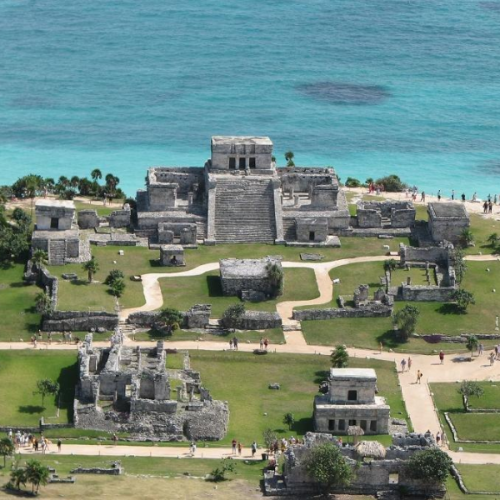
🌿 Tulum
Trade the resort strip for clifftop Mayan ruins, cenote swimming in underground rivers, jungle eco-hotels, and the most talked-about bohemian beach scene in Mexico. 2 hours south by ADO bus.
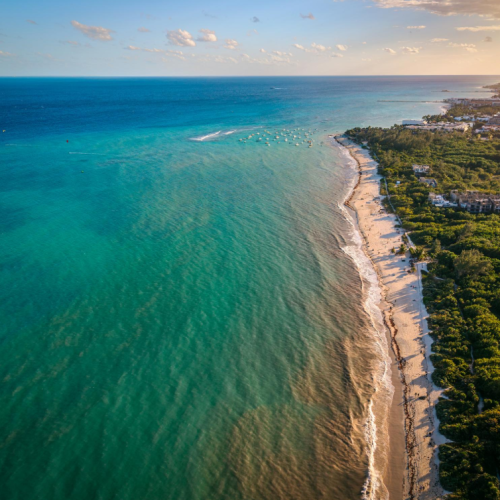
🎭 Playa del Carmen
The Riviera Maya's most vibrant and walkable town — 5th Avenue, cenote day trips, ferry to Cozumel, and the best restaurant scene between Cancún and Tulum. 1 hour south by ADO bus.
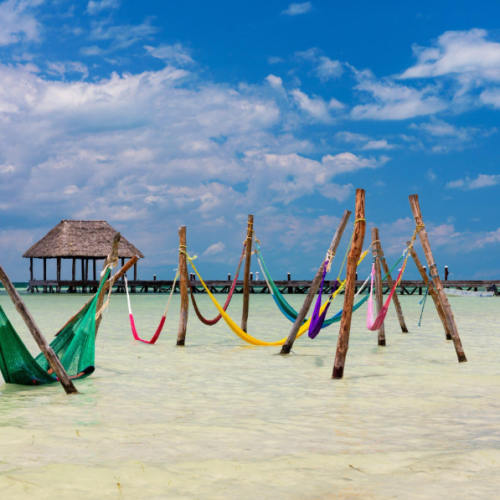
🦩 Holbox Island
No cars, no stress — pink flamingos at dusk and bioluminescent water at night. The most magical and most peaceful island escape in Mexico. 2.5 hours north by bus and ferry.