
The Food & Culture of Mexico's Caribbean Coast
From the smoky pits of Yucatecan cochinita pibil to Tulum’s mezcal bars, Holbox’s fresh lobster pizza to Bacalar’s lakeside ceviche — the Mexican Caribbean has one of the most distinctive and underrated food cultures in all of Mexico.
12 Dishes You Must Try on the Mexican Caribbean Coast
These are not tourist menu dishes. These are the real flavors of the Yucatán Peninsula — rooted in Mayan tradition, shaped by centuries of culture, and found at their best in markets, roadside stalls, and family-run restaurants.
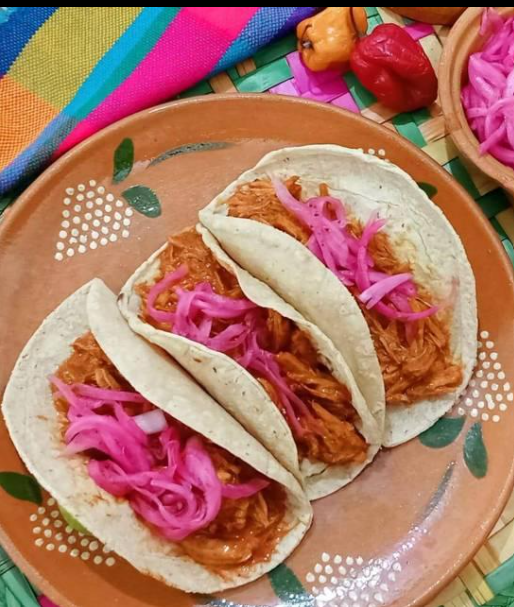
Cochinita Pibil
The defining dish of the Yucatán — pork slow-roasted overnight in a pit, marinated in achiote paste and bitter orange juice, wrapped in banana leaves. Served in tacos with pickled habanero onions. Found at its best at Mercado 28 in Cancún or any market on a Sunday morning.

Marquesita
The Yucatán’s beloved street dessert — a thin, crispy wafer rolled into a tube and filled with grated Edam cheese and your choice of Nutella, cajeta, or strawberry jam. The cheese-and-Nutella combination sounds impossible and tastes extraordinary. Found at street carts every evening across the region.

Sopa de Lima
A delicate, deeply comforting Yucatecan chicken broth with shredded chicken, crispy tortilla strips, tomato, and a squeeze of lima — a local citrus variety with a unique floral bitterness. The soup that every Yucatecan family makes on Sundays.

Tacos de Cochinita
Street tacos filled with cochinita pibil — the most common and most satisfying fast food on the peninsula. Priced at $0.50–1 each from the best stalls. The queue of locals is the only quality indicator you need.

Ceviche & Aguachile
Fresh Caribbean seafood prepared two ways — classic ceviche with lime, cilantro, and tomato, or aguachile where shrimp are cured in a fiery green chilli broth. Both best eaten at a plastic table at a local marisquería, not a beach club restaurant.

Poc Chuc
Thin-sliced pork marinated in sour orange juice and grilled over charcoal — served with black beans, pickled onions, and handmade tortillas. One of the most ancient Mayan-origin dishes still eaten daily across the Yucatán.

Fish Tacos
Fresh grilled or battered fish in corn tortillas with cabbage slaw, crema, and salsa — the definitive coastal street food from Cancún to Mahahual. The best versions cost $1–2 at roadside stalls, not $15 at beach clubs.

Lobster Pizza
Holbox’s most famous contribution to Mexican cuisine — fresh local lobster on a thin-crust pizza. Only possible because Holbox’s fishing boats bring in lobster daily. Found at almost every restaurant on the island. Genuinely worth the trip alone.

Panuchos & Salbutes
Two Yucatecan antojitos — panuchos are crispy tortillas stuffed with black bean paste and topped with cochinita and pickled onion; salbutes are soft fried tortillas topped with chicken, avocado, and tomato. The best bar snacks in Mexico.
Mezcal
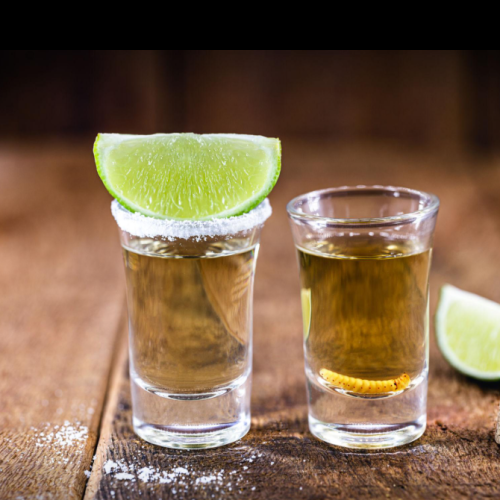
The smoky, complex agave spirit made traditionally in Oaxaca but now celebrated across the Mexican Caribbean — particularly in Tulum and Playa del Carmen, which have some of Mexico’s finest mezcal bars. Nothing like tequila. Start with a fruit-infused curado if you’re new to it.

Michelada
Beer served in a salt-and-chilli-rimmed glass with lime juice and optional hot sauce — the definitive Mexican beach drink. Every beach, every malecón, every plastic chair facing the sea. Costs $2. Tastes like the Caribbean.

Fresh Coco Frio
A whole green coconut with the top macheted off, filled with cold coconut water — sold by vendors on every beach from Cancún to Mahahual. Ice cold, naturally sweet, and the best hangover cure in Mexico. $1–2.
Where to Eat — By Destination
CANCÚN FOOD GUIDE
The real Cancún food scene is not on the Hotel Zone strip — it’s downtown, at Mercado 28, and at the taco stands near the ADO bus terminal.
MUST EAT:
– Mercado 28 — the best Yucatecan food market in Cancún. Cochinita pibil, sopa de lima, panuchos, and fresh ceviche at local prices.
– Tacos de canasta downtown — soft basket tacos from $0.50 each, sold from bicycles from 6am.
– Parque de las Palapas (evenings) — the best marquesita carts in the city, plus street food vendors selling elotes, churros, and fresh fruit.
– La Fishería — the best upmarket seafood restaurant in Cancún for ceviche and fresh fish.
AVOID: The chain restaurants and tourist menus along Blvd Kukulcán in the Hotel Zone. Pay three times more for half the quality.
TULUM FOOD GUIDE
Tulum has two food scenes. The beach road is beautiful and expensive. Tulum town is excellent and affordable. Smart visitors do both.
BEACH ROAD WORTH THE SPLURGE:
– Hartwood — the restaurant that put Tulum on the global food map. Wood-fire cooking, local ingredients, no electricity. Book weeks in advance.
– Arca — modern Mexican cuisine in an extraordinary jungle setting. One of the best restaurants in Mexico.
– La Eufemia — the best seafood on the beach road at a fraction of the top restaurant prices.
TULUM TOWN (WHERE LOCALS EAT):
– Taco stands on Avenida Tulum — fish tacos and cochinita from $1 each.
– El Camello Jr — outstanding fresh ceviche and seafood at local prices.
– The market area in the morning — cochinita pibil tacos from the weekend market stalls.
DRINK: Batanes mezcalería on the beach road has one of the finest mezcal selections in Mexico.
PLAYA DEL CARMEN FOOD GUIDE
Playa has the best overall restaurant scene on the Riviera Maya — a real mix of excellent local food and genuinely good international dining.
BEST LOCAL:
– El Fogón (Avenida 30 Norte) — the most famous taquería in Playa. Always busy. Always excellent. Cochinita and al pastor from $1.
– Los Aguachiles (Avenida 30) — outstanding mariscos at local prices. Order the aguachile negro.
– La Cueva del Chango — the best traditional Mexican breakfast in Playa, in a magical jungle garden. Always a queue. Worth it.
BEST SPLURGE:
– Alux — fine dining inside a natural limestone cave. The setting alone is worth it.
– Catch — rooftop seafood restaurant with sea views. The best fish in Playa.
CAFÉS: Ah Cacao — the Riviera Maya’s best chocolate café, sourcing cacao directly from local farmers.
HOLBOX ISLAND FOOD GUIDE
Holbox’s food scene is simple, seafood-focused, and built around one legendary dish.
THE LOBSTER PIZZA: Holbox’s most famous dish and a genuine must-eat — fresh local lobster on a thin-crust pizza. Las Panchas does the best version. Priced ~$15–25 USD depending on season and size.
FRESH SEAFOOD: The fishing boats bring in fresh catch daily. Whole grilled fish, shrimp tacos, and octopus ceviche at the local comedores (simple restaurants) near the market cost a fraction of the tourist restaurant prices.
STREET FOOD: The market area has fresh fruit carts (mango with chilli and lime, ~$2), agua fresca in hibiscus and tamarind, and the best empanadas on the island from a woman whose stand has no name but always has a queue by 8am.
DRINKS: The beach bars serve cocktails from plastic chairs at the water’s edge. The quality of the drinks matters less than the quality of the sunset you’re watching while drinking them.
BACALAR FOOD GUIDE
Bacalar’s food scene is small but growing — the best restaurants have established themselves as genuine destinations for food-focused visitors.
BEST RESTAURANTS:
– Akalki (hotel restaurant, open to non-guests) — creative Mexican cuisine using local and foraged ingredients. Book in advance.
– Cacao Bacalar (hotel restaurant) — the breakfast here, delivered by canoe to your overwater table, is the most extraordinary morning meal on the Mexican Caribbean coast.
– Local fish restaurants on the malecón — grilled whole mojarra (local freshwater fish) with rice, beans, and tortillas. The definitive Bacalar meal. ~$10–15 USD.
STREET FOOD: Taco stands near the market square serve cochinita pibil and al pastor from early morning — the cheapest and most satisfying meal in Bacalar at ~$1 per taco.
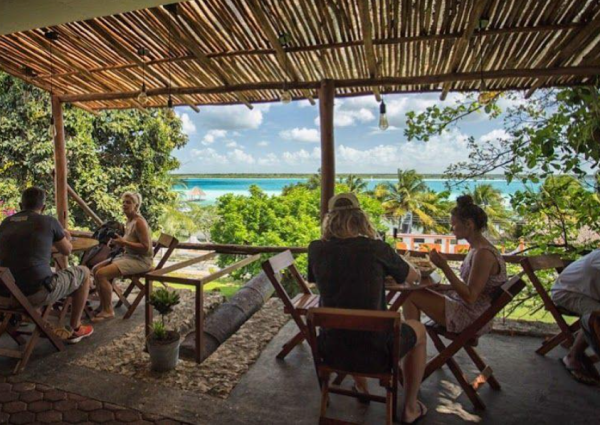
THE EXPERIENCE: The hammock bars on the lagoon serve micheladas and cocktails consumed while suspended over turquoise water. This IS the Bacalar dining experience.
MAHAHUAL FOOD GUIDE
Mahahual’s food is honest, fresh, and tied directly to what the fishing boats bring in each morning.
BEST MEAL: A whole grilled fish (mojarra or grouper) with rice, beans, and fresh tortillas at any palapa restaurant on the malecón. Eaten at a plastic table while watching pelicans dive. ~$10–15 USD. Nothing in a beach club comes close.
TACOS: The best tacos in Mahahual appear after 5pm when the cruise ship visitors leave — fish tacos and shrimp tacos from small stands at local prices (~$1 each). Ask your hotel where to find the current best stand.
BEST RESTAURANT: Nohoch Kay — the most respected restaurant in Mahahual. Excellent ceviche and fresh fish from that morning’s catch.
DRINKS: Cold Modelo from the corner tienda on the malecón. $1.50. Consume in a plastic chair facing the healthiest reef in Mexico.
PUERTO MORELOS FOOD GUIDE
Puerto Morelos has, per capita, one of the best restaurant scenes of any small town in Mexico — a legacy of the international chef community that settled here over three decades.
THE DESTINATION RESTAURANT: John Gray’s Kitchen — a legendary Riviera Maya institution. Canadian chef, exceptional local ingredients, small menu changed daily, intimate atmosphere. Book two weeks ahead minimum. Worth every effort.
BEST LOCAL: Tacos y Mariscos Los Arcos — the best fish tacos in Puerto Morelos at the most local prices (~$2 each). Standing room only most evenings.
BEST CASUAL: El Pirata — the best overall restaurant in Puerto Morelos. Consistently outstanding seafood and Mexican cuisine in a lovely garden setting.
CAFÉ: Alma Libre Books & Coffee — excellent coffee, secondhand books in five languages, and the social centre of Puerto Morelos’s international community. The best place to spend a slow morning.
The Culture of the Mexican Caribbean
The Yucatán Peninsula has one of the richest and most layered cultural histories in the Americas — Mayan civilisation, Spanish colonial rule, Caribbean coastal life, and a modern creative scene that draws artists and makers from across the world.
Mayan Heritage
The Yucatán Peninsula was the heartland of Mayan civilisation — a culture that built astronomical observatories, developed one of the world’s first writing systems, and created cities that functioned for over a thousand years. The ruins at Tulum, Cobá, and Chichén Itzá are not just tourist attractions — they are evidence of one of history’s greatest civilisations.
Modern Creative Scene
Tulum has become one of Latin America’s most significant centres for contemporary art, architecture, and design — attracting international architects, photographers, and artists to a destination that has developed its own distinctive aesthetic language. The Tulum Art Festival and various gallery spaces on the beach road represent a creative scene that has grown organically from the destination’s character.
Yucatecan Festivals
Day of the Dead (Día de Muertos) in November transforms every town on the peninsula into an extraordinary celebration of colour, food, and memory. Carnival in Mérida and Cozumel rivals anything in the Caribbean. The Feria de San Miguel in Cozumel and the annual Cancún Jazz Festival add to a cultural calendar that runs year-round.
Music & Nightlife
From the electronic music venues of Playa del Carmen and Tulum to the salsa bars of Cancún downtown, the Mexican Caribbean has a music scene of genuine depth and diversity. The Papaya Playa Project full moon parties have become globally famous. Zamna festival in Tulum draws the world’s best electronic music artists annually.
Art & Craft Tradition
The Saturday market in Puerto Morelos, the artisan markets in Tulum town, and the craft stalls in Holbox showcase a living tradition of Mayan-influenced weaving, ceramics, and jewellery. The hammered silver and beaded Huichol art found across the Riviera Maya connects Mexico’s indigenous craft traditions to the tourist coast.
Mayan Wellness Traditions
The temazcal — a traditional Mayan sweat lodge ceremony — is practiced across the Riviera Maya and represents one of the most authentic cultural experiences available to visitors. Several Tulum hotels offer genuine ceremonies led by traditional practitioners. The Mayan tradition of cenote use for spiritual purification gives the cenote swimming experience a cultural dimension beyond its obvious natural beauty.